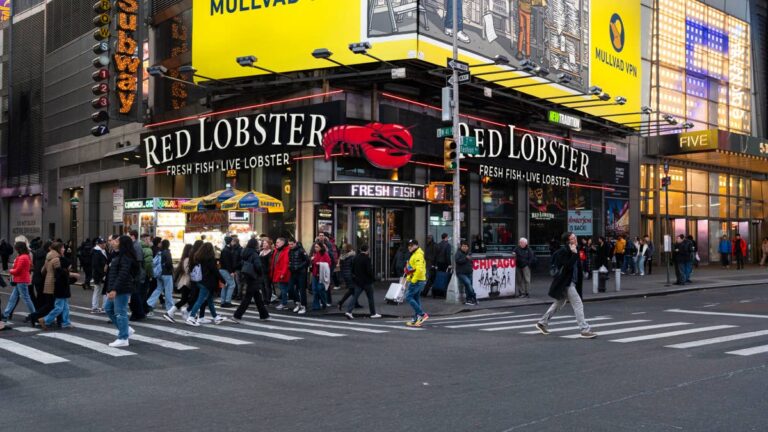
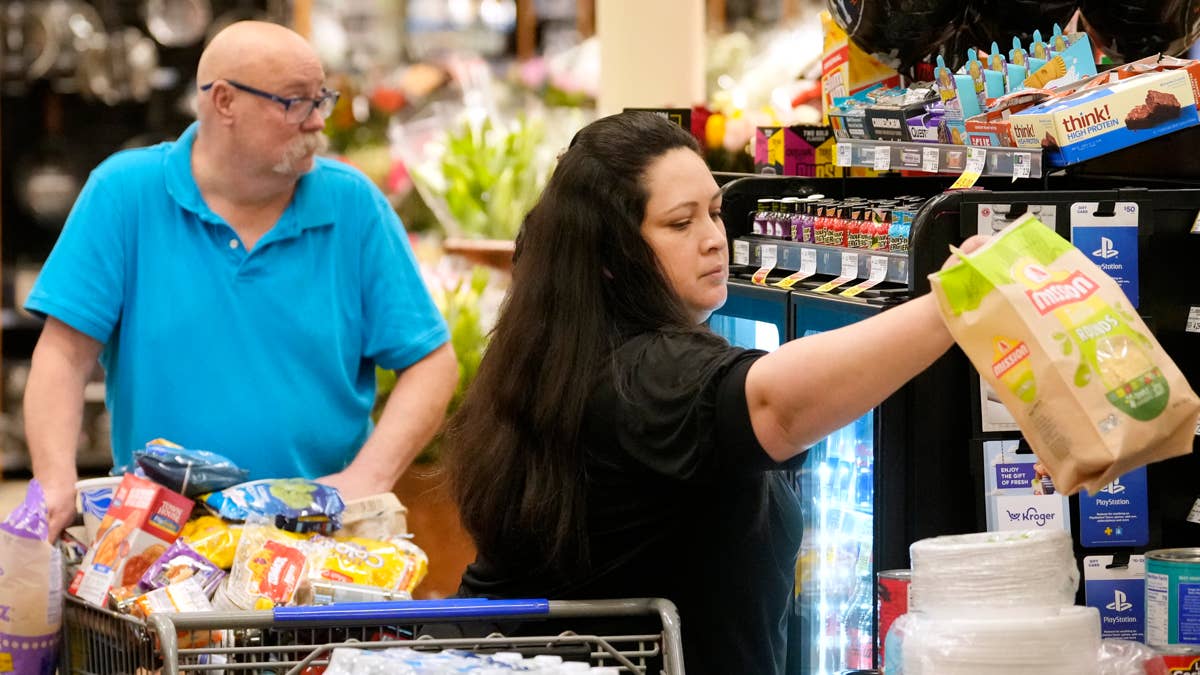
Kroger Co (KR) agreed on Wednesday, July 1, to acquire Giant Eagle, the family-owned grocery and pharmacy chain based in Pittsburgh, according to Kroger investor relations.
The price tag is $1.65 billion, a fraction of the $24.6 billion merger Kroger tried to complete with Albertsons before courts blocked it in 2024, Newsweek reported. Investors did not celebrate, however.
Kroger shares fell on the news rather than rising, a reaction that says as much about the state of the grocery industry as it does about the deal itself.
Kroger’s $1.65 billion cash and debt deal
The transaction includes $1.25 billion in cash and the assumption of about $400 million in Giant Eagle’s outstanding liabilities, Kroger’s release indicates.
It marks the first acquisition under CEO Greg Foran, who took over in February 2026 after a career at Walmart, according to CNBC.
Kroger’s board approved the deal unanimously, but it still needs federal antitrust clearance and is not expected to close until 2027.
Houston Chronicle/Hearst Newspapers / Getty Images
What does Giant Eagle bring to Kroger’s shelves?
Giant Eagle has operated as a family-owned chain since 1931 and generates roughly $9 billion in annual sales, according to Kroger’s announcement.
It runs 197 supermarkets and 11 standalone pharmacies across northern Ohio, western Pennsylvania, West Virginia, Maryland, and Indiana.
That footprint gives Kroger something the Albertsons deal never could: a clean geographic fit with limited market overlap, which lowers antitrust risk.
Giant Eagle will keep its own name, its Cranberry Township headquarters, and its current leadership team, and Kroger plans to continue Giant Eagle’s myPerks loyalty program, CBS Pittsburgh noted.
We evaluated the opportunity carefully, and the strategic fit is clear.
Foran described Giant Eagle as a well-run regional grocer with a strong track record in fresh food, pharmacy and private label, according to the release.
Keeping the brand intact suggests Kroger is buying customer trust as much as it is buying stores.
Kroger’s stock fell despite a low-risk deal
Kroger shares dropped about 2% in premarket trading July 1, according to CNBC, before settling to a decline of about 1% by mid-morning.
The shares eventually slid to a new 52-week low of $54.15 later in the session, though they rebounded sharply by the closing bell.
More Kroger:
- Kroger rolls out exclusive celebrity line to win back shoppers
- Kroger changed its loyalty rewards program, but shoppers need to be wary
- Kroger’s new CEO calls out his own stores
For a stock that has now lost more than 12% of its value this year, the drop reflects investor fatigue with dealmaking after the Albertsons collapse, rather than distaste for this specific target.
The deal values Giant Eagle at about 0.18 times its annual sales, a modest multiple that equals roughly 4.8% of Kroger’s own market value, TS2.tech’s analysis revealed.
Wolfe Research analyst Greg Badishkanian estimated the acquisition could add $200 million to $250 million in annual operating profit and roughly 6% to Kroger’s revenue base, MoneyCheck noted.
Kroger itself said the deal should start adding to adjusted earnings per share in the second full year after closing, once integration costs fade.
A smaller, safer template for grocery growth
Kroger continues to compete against Walmart and Amazon on price and convenience, and Consumer Edge analyst Michael Gunther noted that discounters such as Aldi and specialty chains like Trader Joe’s are pulling share from traditional grocers, according to Reuters.
Gunther added that Giant Eagle’s customer base skews older and more resilient to that pressure, a detail that helps explain why Kroger targeted this particular chain.
For a company still fighting Albertsons in court over the failed merger’s termination fee, a smaller and cleaner deal offers a way to keep growing without another multiyear legal battle.
Dealmaking across the consumer sector has been active as companies chase scale to offset inflation and shifting shopping habits, Reuters confirmed.
Kroger’s pivot toward smaller, regional targets after its biggest merger attempt failed may become the template other grocers follow, trading bold national ambitions for deals regulators are less likely to block.
Whether that caution pays off for shareholders will depend on how the next 18 months of antitrust review unfold.